Types of Genetic Disorders Vector Review
First Impressions: A Clean, Educational Visual Language
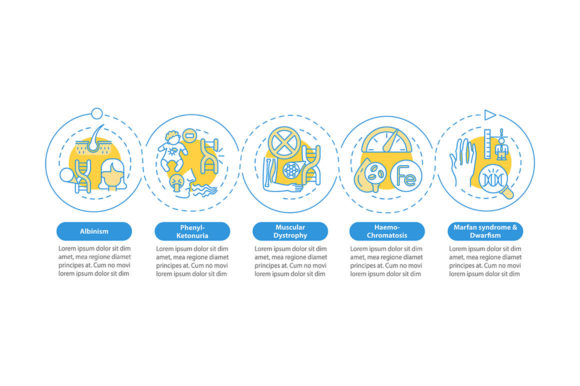
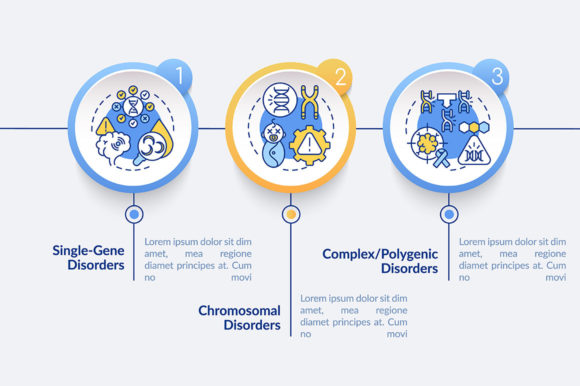
Opening the Types of Genetic Disorders Vector file, I immediately noticed its clean, structured layout. This graphic template feels like a well-organized infographic, designed with healthcare professionals and educators in mind. The use of linear icons and a three-step process timeline gives it a very logical flow, which is great for conveying complex information in a digestible way.
The visual personality of this design leans toward professional yet approachable. It’s not overly technical or clinical, making it adaptable to a variety of embroidery projects that require both clarity and aesthetic appeal. The mood it creates is educational, informative, and slightly modern—perfect for custom apparel that needs to communicate something meaningful without being too heavy.
Real-Life Scenario: Embroidering a Custom Tote Bag
Let’s say I’m preparing a custom embroidered tote bag for a small boutique that sells eco-friendly products. The goal is to create a personalized gift that's both functional and informative. The Types of Genetic Disorders Vector could be an excellent fit here, especially if the boutique wants to highlight awareness around health topics.
I imagine stitching this design onto a canvas tote. The vector format makes it scalable, so it can easily fill the entire surface without losing detail. However, I’d need to test it on scrap fabric first to ensure the stitch density doesn’t cause puckering or distortion, especially on a heavier fabric like canvas.
The design’s data visualization elements, such as the process timeline chart, would translate well into a stitched pattern. Using satin stitches for the icons and fill stitches for the background areas would help maintain the design’s clarity. I’d also consider using a stabilizer to prevent shifting during the embroidery process.
Where This Design Shines in Real Embroidery Projects
The Types of Genetic Disorders Vector has a strong presence on larger surfaces. It works exceptionally well on tote bags, sweatshirts, aprons, and pillow covers where there’s enough space for the full layout to be appreciated. For example, an embroidered patch with this design could serve as a unique addition to a handmade quilt or a baby blanket, adding an educational touch to a personal item.
For Etsy sellers or craft fair vendors, this design could be used as part of a collection of educational or wellness-themed products. It’s also a solid choice for commercial embroidery projects, particularly those targeting healthcare professionals, schools, or educational institutions.
When it comes to custom apparel, this design brings a sense of purpose and professionalism. Whether it's a sweatshirt embroidery for a wellness clinic or a holiday embroidery piece for a family gift, the design maintains a consistent visual language that feels trustworthy and polished.
Areas to Use With Caution
While this design is versatile, there are a few considerations when using it on certain materials or products. For instance, it may not translate well on small hoop sizes, where the intricate details might get lost or appear cluttered. Similarly, using it on stretchy fabrics like knits or thin materials like silk could lead to distortion unless proper stabilizers are used.
The design also requires careful attention to thread color contrast. If you're embroidering on dark fabric, selecting light-colored threads will be essential to ensure visibility. On the other hand, using it on light backgrounds might require darker threads to make the icons stand out.
Care should also be taken when applying it to curved surfaces like caps or hats, as the layout may not adapt well to the contours. In these cases, simplifying parts of the design or adjusting the layout could help achieve a better result.
Design Notes for Embroidery Professionals
Before committing to using the Types of Genetic Disorders Vector in a finished product, I recommend testing it on scrap fabric. This allows you to check how the stitch density affects the fabric and whether any adjustments are needed. It’s also important to review the design in black and white mockups to see how it looks on different fabric backgrounds.
Checking the thread colors against your chosen fabric is crucial. Ensuring that the embroidery file is compatible with your machine and that the hoop size matches your project’s dimensions will save time and prevent errors later on. Also, always confirm licensing terms before selling any finished items or digital products featuring this design.
For handmade products, this design can elevate the perceived value of the item, making it more appealing to customers looking for thoughtful, informative gifts. When used in personalized gifts or small shop products, it adds a layer of professionalism that helps build brand consistency and customer trust.
Final Thoughts: A Practical Tool for Creative Entrepreneurs
In summary, the Types of Genetic Disorders Vector is a well-thought-out design that offers versatility across a range of embroidery projects. Its clean layout, logical structure, and educational tone make it a valuable asset for anyone involved in craft business, Etsy seller ventures, or commercial embroidery work.
Whether you’re creating a tote bag design, a patch, or a printable mockup, this design provides a strong foundation that can be adapted to suit various needs. As long as you take the necessary precautions with fabric selection, thread color, and stitch density, it can become a standout feature in your embroidery project.